The Night Hunters

Hello everyone! Hope you all are doing well. Welcome to another blog presentation on IN THE WHITE.

Today, I will share facts about an insect that loves to feed on human blood. Many of you would be thinking about mosquitoes after reading about “insects that feed on human blood,” but another creature needs blood to survive. This insect is known as “Bedbugs.”

Here are some interesting yet scary facts about bedbugs.

image of Bedbugs
  1. Bedbugs can survive in extreme weather conditions and live up to a year or more.
  2. They feed primarily on humans. Although bedbugs worldwide enjoy feeding on birds and some mammals, these insects love human blood the most and can travel between 5-20 feet from their hiding place to reach a host.
  3. Mattresses are not the only places bedbugs like to live. Even though they got their name because these species can easily haunt down their host conveniently at nighttime. But can be found in cracked walls, cupboards, pages & bindings of books, clothes, cushions and pillows.
  4. Bed bug bite is like a mosquito, but you may not know up to two weeks after the bug has fed on you. The bitten area will be reddish, raised, and itchy
Image of Bedbug bites

5.  Luckily, bedbugs do not spread any disease, but it is always good to take precautionary steps from becoming a victim of these bugs. Here is how it can be done.

  • Avoid too much scratching of the bitten area, as this may cause skin infection, especially if fingernails contain dirt or germs.
  • Apply anti itch cream on the agitated skin.

6. Eliminating bedbugs for good will take quite a bit of time but self-learning on chemical and non-chemical treatments, washing and drying of clothes and linens at high heat temperatures are some of the ways to counter these unwanted insects.

So, with those words, I hope you found this writing piece informative and interesting. Thank you for reading.

Click here for more info.
THE EMPEROR PENGUINS

Hello everyone! Wishing you all a Happy and prosperous 2023. Welcome to another presentation of IN THE WHITE.

Today’s write-up is a short presentation on the EMPEROR PENGUINS, where I will be sharing some interesting facts about this beautiful creature.

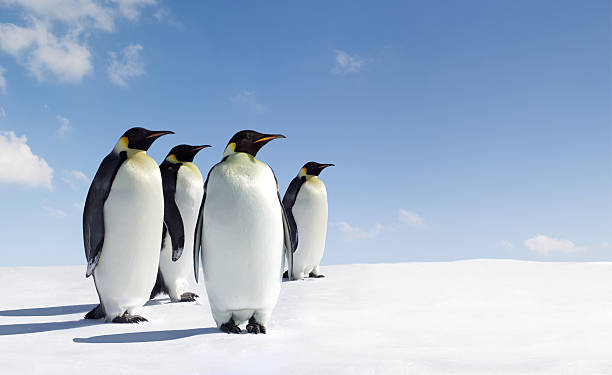
Emperor Penguins

According to World Wildlife Fund (WWF), Emperor Penguins are the largest of all bids among the 18 species of Penguins found in Antarctica.

They are about 120cm tall (almost the height of a six-year-old child) and weigh around 40kg. Interestingly, their weight could keep changing throughout the year.

Another fascinating fact about Emperor Penguins is that their colonies have been discovered and counted from space. A survey led by a British scientist in 2012 used Seattleite technology to identify emperor colonies from poo stains left on ice at breeding sites. The survey revealed about 54 colonies of Emperor Penguins in Antarctica. About half of these species have been discovered by satellite survey while others remain unknown. Hence, more research on Penguins is encouraged by wildlife experts.

Emperor Penguins are incredible divers. The deepest dive is said to have been recorded at 564 metres, which is twice the height of Shard, Europe’s tallest building, while the longest dive was recorded at 28 minutes.

Swimming Emperor Penguin

Emperor Penguins mostly eat Antarctic silverfish and other fish species and squid. An adult penguin eats 2-3kg per day. But on some days they could eat double the amount of this, as they prepare their body for the winter or their chicks.

Lastly, male Emperor Penguins can go up to 4 months without eating, from the time they arrive at the colony to breed until the egg hatches and the mother returns to feed the baby. They lose half their body weight during this time and rely on the reserves they had stored earlier.

Thank you for reading. And now watch the videos below to learn more.             

Video 1
Video 2

THE PANDA FAMILY

Family of a Giant Panda

Hello everyone! Welcome to another presentation on IN THE WHITE. I hope you all are doing fine and in good health too.

There are numerous animal species in the world, who have their own beauty and spatiality.  Among those is a charming animal of the bear family called Panda. The reason I call it charming is because of its round shaped face and black & white color. Its cuteness is as such, that an anguish person can forget their anger, the sad can brighten up with delight and a non-animal lover’s heart be melted with love.

In today’s write-up I will be highlighting some of the interesting facts about giant pandas, so be sure to read it till the end.

Facts about Giant Pandas

A sitting Giant Panda

A panda’s body is designed in such a way that it can protect itself in both cool and warm conditions. Its whiter part helps hide in the snow, while the black fur assists pelting in the shade.   

Panda’s eyes have vertical slit pupils, a feature that distinguishes them from other bear species.  

Just like babies are close to their mother when they are born, there is no difference when it comes to animals. Mother Panda keeps its cubs attached to it for nearly a month. Attachment is not the main reason why they keep their babies intact.

In fact, pandas are born blind and helpless. They are so stranded that the fetus cannot excrete waste on its own or regulate its body temperature due to its small size and pinkish skin color. So they rely on their mother for milk and protection.

At five months old baby pandas learn to climb, sometimes they practice this by climbing on their mum.

Pandas sometimes do handstands- they climb a tree backwards with their hindfeet until they are in a full handstand mode.

This gorgeous creature has an extended wrist bone which they use like a thumb to grip food. 

Source: https://www.wwf.org.uk/learn/fascinating-facts/pandas

What do Pandas eat?

A Panda eating bamboo stock

Bamboos are critical to a panda’s diet. They need a minimum of two bamboo species in a bid for survival.

Pandas spend about 10-16 hours feeding on bamboos.

This does not mean they do not eat anything else, they do eat other plants and small animals, eggs, carrions, pumpkin and kidney beans.

Source: https://www.wwf.org.uk/learn/fascinating-facts/pandas

Habitat and other characteristics of a Giant Panda

A Panda in itsnatural envionment

Pandas are normally found in temperate forests high in the mountains of southwest China.

A giant panda has a lifespan of up to 20 years.

Its maximum height could go up to 90 centimeters and minimum 60 centimeters.

An adult panda can weigh around 70-120 kilograms. With a gestation period of 95-160 days. 

According to the 2014 census data collected by the World Wildlife Fund, there are 1,864 pandas left in the wild.

While this may be a good news in some sense, let’s hope more pandas are born and its population increases, for our future generation to see this adorable animal.

With those words, I hope you enjoyed reading this presentation as well as fond it interesting. Thank you.

The Incredible Albatross

Hello everyone! It’s time for the release of another blog and in this session I will be talking about one of the most fascinating creature’s on the planet, known as the Wandering Albatross. I will be sharing some interesting facts about this animal. So be sure to read it till the end.

The Wandering Albatross

Residing in the Southern Ocean including the Antarctic, sub-Antarctic and subtropical waters, this seabirds have a life expectancy rate of up to 50 years, a rare gift from god.

Commonly called Albatrosses belong to the Diomedeidae family with the same scientific name and labelled as Flock according to their grouping.     

This bird can fly 16 miles per hour but if there’s more and strong wind it will work in the species favor as it will give them more push in the air, increasing their flying speed.

Learn more here

What caught my attention and motivated me to write about this bird is its ability to fly non-stop without flapping its wings.

Once in full flight, the Albatross returns to land after 5-7 or in some cases more years. I find this piece of information interesting because normally birds fly and return to land and flap their wings while flying but this creature are incredible in nature.

Its wingspan are 6.5- 11 feet.

The albatross have an average weight of up to 22 pounds.

Learn more here

If we talk about their diet, then Albatross are carnivores meaning animals that eat other animals for survival. Some of the animals these birds feed on are fish, cephalopods, jellyfish and crustaceans.  

Now, if you are wondering why this creatures come to land after a massive lapse of years?

Well, the answer is breeding. Just like humans and other living organisms, this species also desire to have children and uplift their dynasty.

Once on land, they form large colonies on remote islands. The mating pairs lay a single egg and take turns carrying for it.

A young Albatross may fly within 3-10 months, depending on the bird but once it leaves land behind, they are on a journey until they reach a sexually matured age.

Interestingly, some of them stay on land and mate for life. (Wow! Party on all day every day. Just joking).

Presentation summary

That’s it for now. Hope you enjoyed reading it. Many thanks. Bye for now.     

Info source: https://www.nationalgeographic.com/animals/birds/group/albatrosses/

3 Endangered Species in the World

Hi there everyone! Wishing you a Happy & fruitful 2021. I know 2020 was the worst year ever but this is a new set of 365 days so let’s hope for the best and try to make it the best.  

So for the first blog of 2021, I thought to share some light on a few endangered animals in the world. I feel we do not talk about them probably because we don’t have any idea they exist. Honestly speaking, even I have heard about these animals for the first time and if we want our future generations to know about all these endangered living organisms then, it is critical that they are preserved.

Save Animals

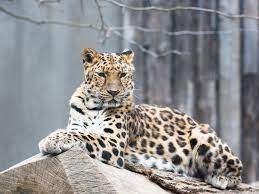
Now, the first animal that I wish to draw your attention to is Amur Leopards. Located in the Far East of Russia, these species are the rarest big cats in the world.

One of the unique feature of this animal is its ability to run at a speed of 37 miles per hour. It can also leap up to 19 feet horizontally and 10 feet vertically.

Amar leopards have spots like fingerprints enabling one to identify them individually.

Its hair in summer are 2.5cm long but are replaced by 7cm long ones in winter, enabling it survive in both climates.

This is a night cat which is why photographers use infrared cameras to take pictures.

This species are highly protected in Russia, anyone found hunting the animal is likely to face fine up to 1,100,000 Rubles and jailed for 2 years. Storing, transporting or selling their parts carries a fine of up to 1 million Rubles and 2 year imprisonment. If a group is guilty of such crime, it can be fined close to 2,000,000 Rubles with a jail term of approximately 5-7 years Info source: https://www.wwf.org.uk/learn/fascinating-facts/amur-leopards

The Amur Lepard

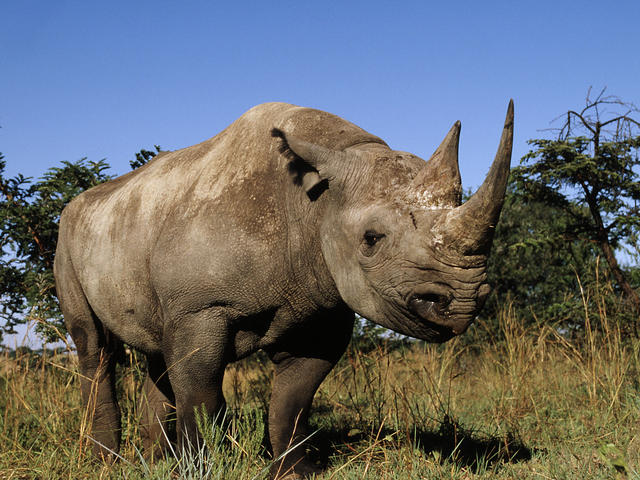
At number 2 is the Black Rhino. These species roamed many places throughout Europe, Asia and Africa and were well-known to the early Europeans, who depicted it in their cave paintings.

Today, around 27,000 rhinos remain in the wild compared to 500,000 at the beginning of the 20th century. The decline is due to massive hunting and loss of habitat over decades, as a result very few survive outside national parks and reserved areas.

Three species of rhino including black, Java and Sumatran have been classified as critically endangered.

The feature that makes this creature unique is its pointed upper lips which allows them to pluck leaves and fruits from the branches.

The black rhino has a maximum speed of 55 km per hour with life expectancy rate between 35-50 years. It also has a gestation period of 15-16 months.  

Source of info: https://www.worldwildlife.org/species/rhino & https://www.google.com/

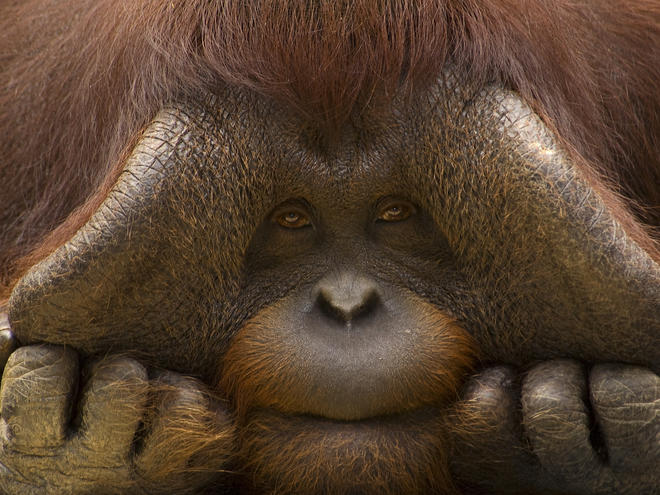
Bornean Oranggutan

Bornean orangutan is in at number 3. The animal population has declined by more than 50% in the past 60 years, with its habitat been depleting by at least 55% over the last 20 years.

The Bornean orangutan differs in appearance from Sumatran orangutan, with a broader face and shorter beard with a slightly darker skin color.

The Northwest Bornean orangutan are the most threatened subspecies compared to the Northeast and central ones, as its habitat has been greatly affected by logging, leaving barely 1,500 individuals aside.   

This species weigh between 66 -220 pounds and are 3.3 to 4.6 feet in height.

Source of info: https://www.worldwildlife.org/species/bornean-orangutan

To conclude, it is pretty evident that over harvesting of such species and destruction of its natural habitats have been the cause of its verge of extinction.

Thanks for reading. Hope you enjoyed this short presentation.

Once again Happy 2021 to one and all.