

Hi there everyone! It’s good to be back on blog mode. Today’s presentation is slightly different as I will sharing with you a presentation I did recently, which was also part of ome of my courses.
This week’s presentation focuses on failed states with respect to two Pacific island nations. The presentation write-up will unfold in two parts. Firstly, it will provide three definitions of a failed state, then with reference to Papua New Guinea, (PNG). It will discuss reasons for Australia’s intervention in PNG crisis and the Enhanced Corporation Program which aimed to improve the socio-economic and political situation in PNG. The presentation will then conclude by discussing the reasons for the establishment of the Regional Assistance Mission Solomon Islands (RAMSI), how it was formed and major achievements between 2003- 2013.
To begin with, a failed state or nation is one who’s political and economic system is so weak that the government has no control over it (google, n.d.). According to Robert I Rotberg, failed states are tense, deeply conflicted, dangerous and bitterly contested by warring factors (Rotberg, 2002) The enduring character of violence against the government or regime demands shared power autonomy that justifies violence which can be defined as a failed state (Rotberg, 2002).
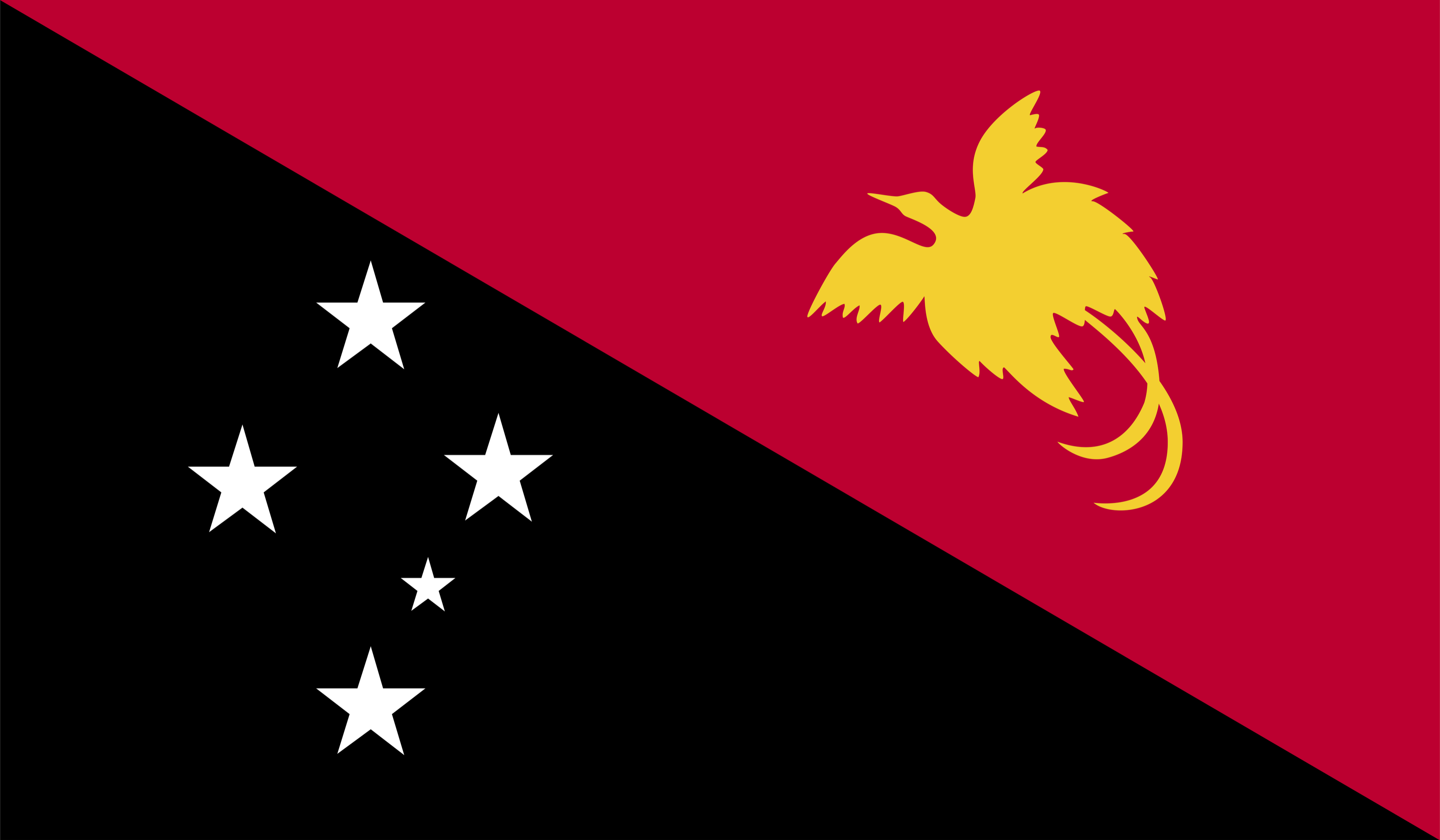
Before going into details of the Enhanced Corporation Program (ECP) it is important to understand the reasons for Australia’s intervention in Papua New Guinea. PNG were facing severe development challenges in areas of law & order, justice, corruption, poor financial management and governance (Australia, n.d.). The failure of any Prime Minister to serve a full five year term in the Papua New Guinean Government (Australia, n.d.), is an example of a politically unstable nation. Likewise, weak domestic demand & 2% economic growth in 2003 (Australia, n.d.), could be said to have created an unstable economy, alongside trouble in managing borders to ensure transport safety & security (Australia, n.d.), could be classified as a social instability, as this could easily open up scope for terrorism or terrorist groups to enter and setup a base in such countries.

The Enhanced Corporation Program was signed in December 2003, to address the economic and development challenges in Papua New Guinea (Australia, n.d.). There were about twelve provisions of the ECP agreement. Some of the features of the agreement includes; “Provisions to enable the deployment of Australian police & other personnel to work with PNG government in areas of law & order, justice, governance, financial management and socio-economic progress, decreeing Australian personnel and their families observe PNG laws and regulations, compliance with international laws and Establishing a system to deal with claims against Australian personnel” (Australia, n.d.).
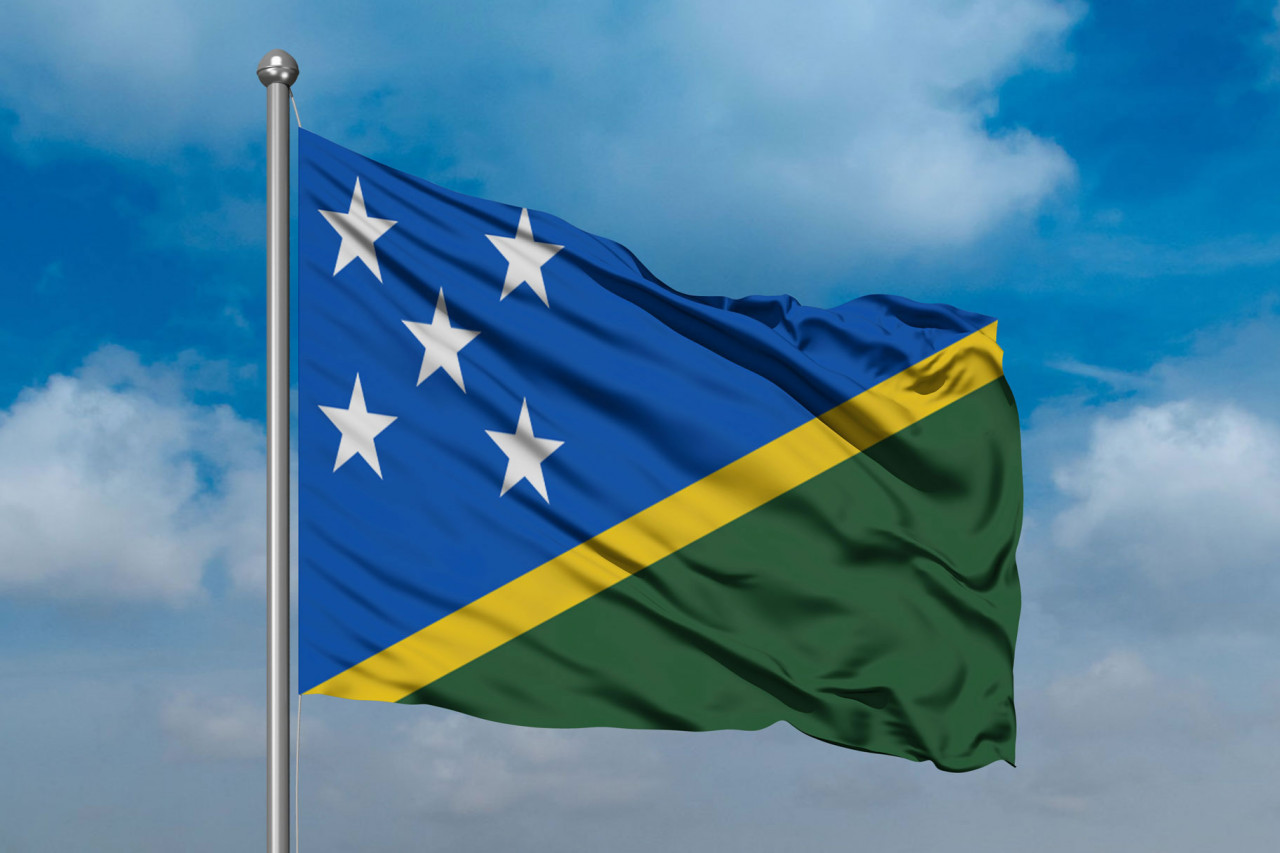
The Regional Assistance Mission Solomon Island (RAMSI) played a significant role in stabilizing socio-economic and political situation in the Solomon Islands. RAMSI was formed in 2003, when Sir Alan Kemakeza, the then Prime Minister of Solomon Islands called for an urgent request for international assistance (About RAMSI, n.d.). The request was then heard and agreed by the Pacific Islands Forum to form a regional assistance mission funded and led by Australia and New Zealand with the support of other Pacific Island Forum member countries. So, in June 2003, Prime Minister Allan travelled to Australia to formally receive offer of assistance (About RAMSI, n.d.).

The reason for RAMSI’s establishment was “to address civil unrest, lawlessness, economic decline corruption and significant drop in service delivery and government administrative standards” (About RAMSI, n.d.). This became the basis of the RAMSI Treaty signed on 24th July 2003, to allow the deployment of police and military offices to Solomon Islands” (About RAMSI, n.d.).
As far as success of RAMSI is concerned, the mission has been successful in restoring law and order, rebuilt national institutions and reformed the economy of the Solomon Islands (About RAMSI, n.d.).
To conclude, a failed state is one where the government has no control over its socio-economic and political situation. Both Papua New Guinea and the Solomon Islands faced major social, economic and political instability through failure to maintain law and order, unable to contain corruption, as well as solve finical management and governance issues. The Enhanced Cooperation Program (ECP) in Papua New Guinea and the Regional Assistance Mission Solomon Islands (RAMSI) played an instrumental role in providing a stabled social, economic and political society as it managed to restore law and order, rebuild international institutions and reform the economic system of the Solomon Islands.
Thank you for reading. You can refer to the list of biblographies given below.
(n.d.). Retrieved October 24, 2020, from About RAMSI: https://www.ramsi.org/about/
Australia, P. o. (n.d.). Retrieved October 19, 2020, from Chapter 4 Enhanced Cooperation Agreement with Papua New Guinea: https://www.aph.gov.au/Parliamentary_Business/Committees/Joint/Completed_Inquiries/jsct/8february2005/chapter4
google. (n.d.). Retrieved October 18, 2020, from https://www.google.com/search?sxsrf=ALeKk010TkHjnWQlLm6LZlLyAmqo2gwwXA%3A1604181535536&source=hp&ei=H96dX5TnHcyTkwX486fICA&q=define+failed+state&oq=define+faiiled+&gs_lcp=CgZwc3ktYWIQAxgAMgcIABDJAxANMgQIABANMgQIABANMgQIABANMgQIABANMgYIABAWEB4yBggAEBYQHjIG
Rotberg, R. I. (2002, Janurary 7). The new nature of non-state failure. The Washington, 25(3), 83-96. doi: 10.1162/01636600260046253
 IN THE WHITE
Great piece of article.
LikeLiked by 1 person