
Hello everyone! Welcome back to another presentation on IN THE WHITE. I hope you all are taking good care of yourselves and loved ones, as we continue to battle the COVID-19 Pandemic.
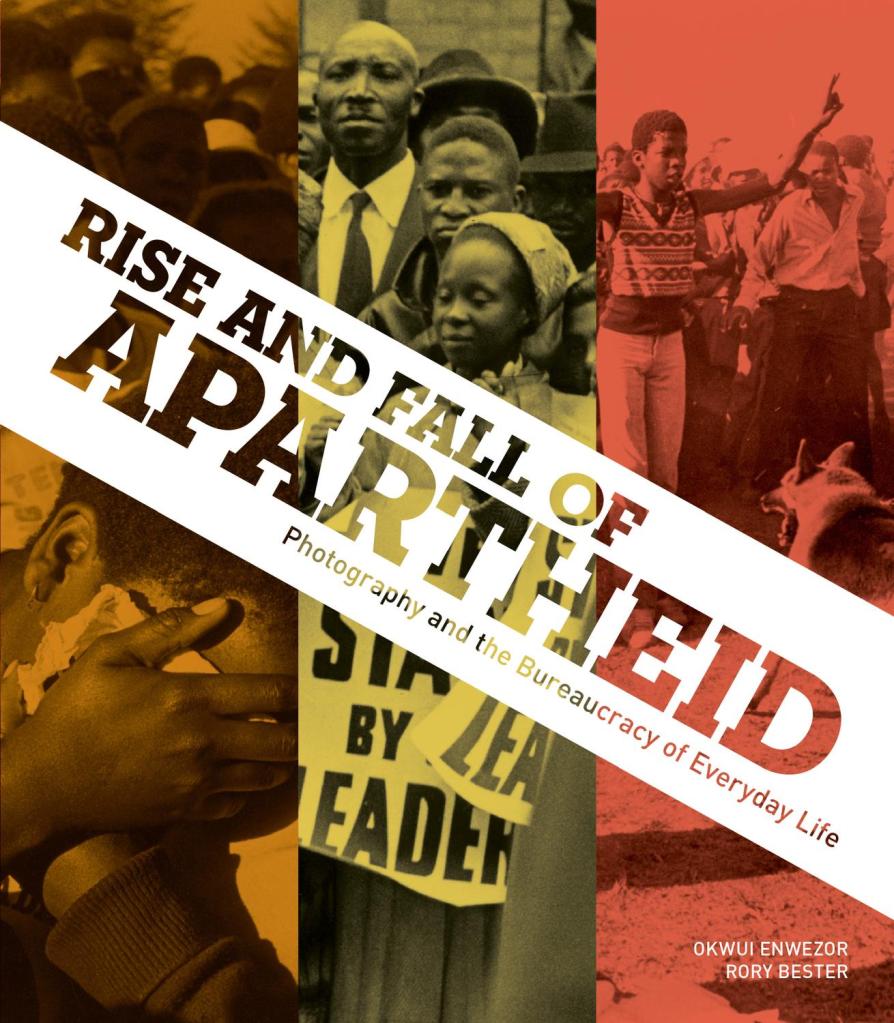
In today’s article, I will be talking on the Apartheid in South Africa. I had mentioned this term in an earlier blog post titled “Say No to Racism”, where I used apartheid as an example of racism. In this write-up, I will be discussing on apartheid in more detail.
But before I even dive into this topic thoroughly, let’s first know what apartheid really is. In historical context, it is a policy or system of segregation or discrimination on grounds of race.
Historical Background
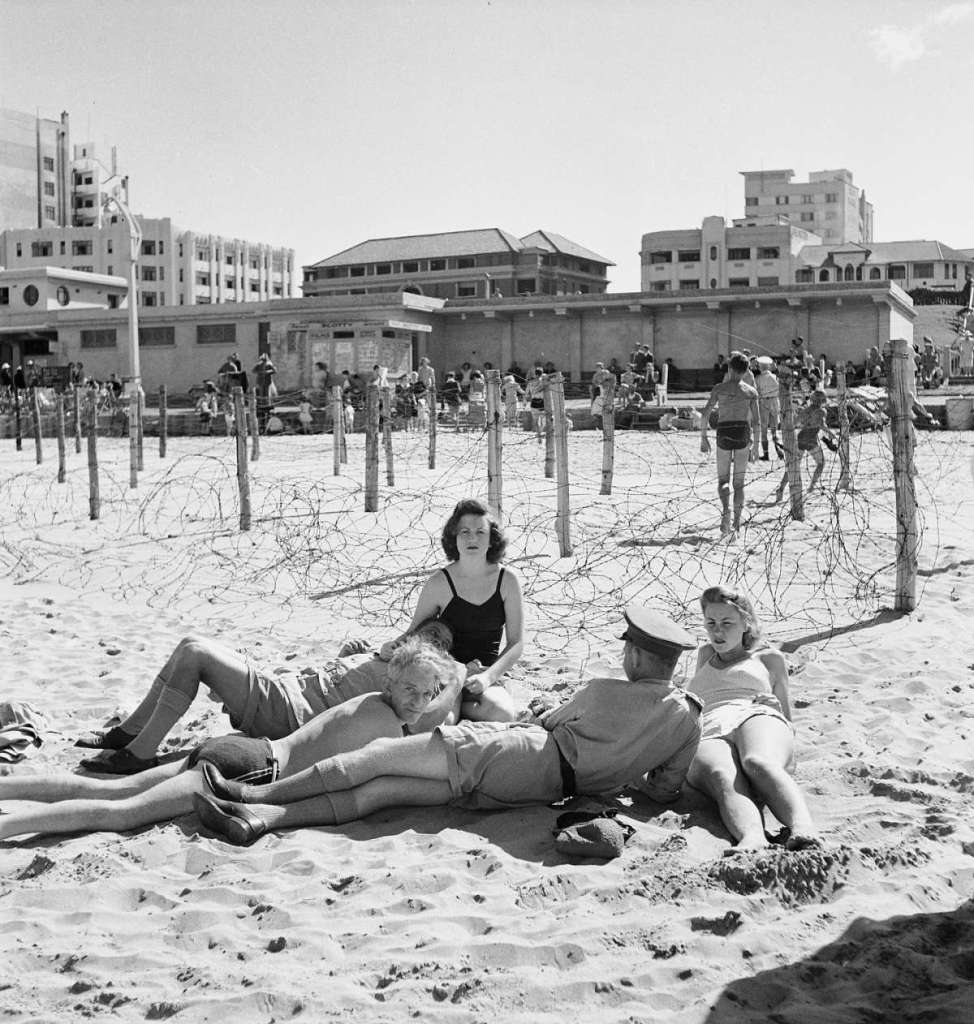
The apartheid period in South Africa began in 1948, when the National Party came into power.
Soon after taking charge, the government started to enforce existing policies of racial segregation.
Under the new law, non-whites, which consisted majority of the indigenous population were forced to live in separate areas from the whites, and used different public facilities, such as schools hospitals and shops.
Even purchase of land for non-whites were criminalized. It is said to learn that the natives of South Africa (Afrikans).
Between 1961 and 1994, around 3.5 million Africans were forced to relocate, while their lands were sold to white farmers at a cheaper price.
Apart from the deprivation of land, education and other services, freedom of movement was restricted as well.
The non-whites carried a passbook to enter different areas. If I deeply think about this, then I would describe it as keeping the blacks as hostages in their own country.
The End of Apartheid

It would not be wrong to say that the fight against apartheid was always peace. The battle to end apartheid also had violence that emerged from widespread protests.
It all started in 1976, when students outside Johannesburg voiced against the use of Afrikaana language requirement for black African students.
With things getting out of control, police had to use tear gas and bullets to get the situation under control.
Protest pressure, government crackdown and economic recession drew great international attention.
The United Nations then publically declared apartheid illegal and restricted the sale of arms to South Africa.
International pressure caused the governing leader of the National Party, Pieter Botha to eradicate pass laws and remove the ban on interracial sex and marriage, but was not enough to install confidence in Botha’s government, forcing him to step down.
Frederik Willem de Klerk’s government abrogated the Population Registration Act, alongside other laws that formed the baseline for apartheid.
He was also the man who freed Nelson Mandela from prison and contributed to the formation of a new constitution that abolished apartheid, and set the platform for a new South Africa, which was free from discrimination and one where everyone had equal rights.
It is fascinating to learn the history of this “Rainbow Nation” and the way it has grown out of the apartheid era, even though the country has faced numerous political and social instability following independence in 1961, we can only hope that things change for the better.
Before I bring this piece of writing to a close, there are a few questions for us to dwell on.
Firstly, given that apartheid is no longer legal, have we really grown out it? Secondly, has governments of states and the international community done enough to combat discrimination around the world. And thirdly, who takes responsibility for acts of discrimination, if international institutions become perpetrators of it themselves.
With those thoughts and questions, I hope you enjoyed this short presentation and will be looking forward for more as time progresses.
Thank you for reading.
 IN THE WHITE